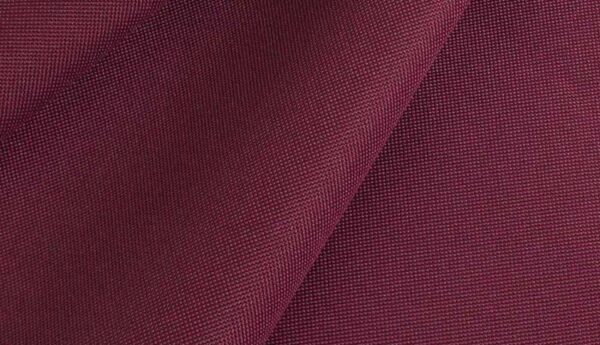
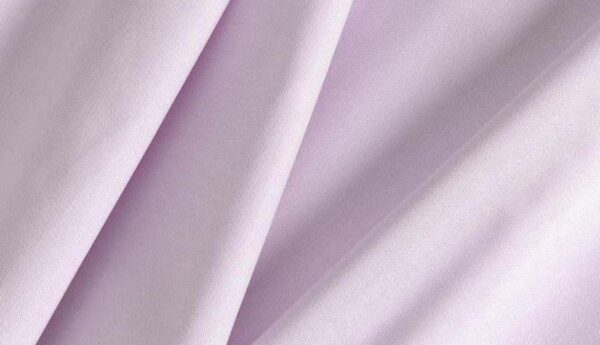
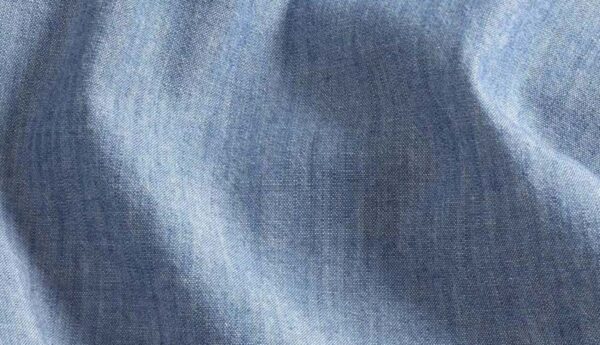
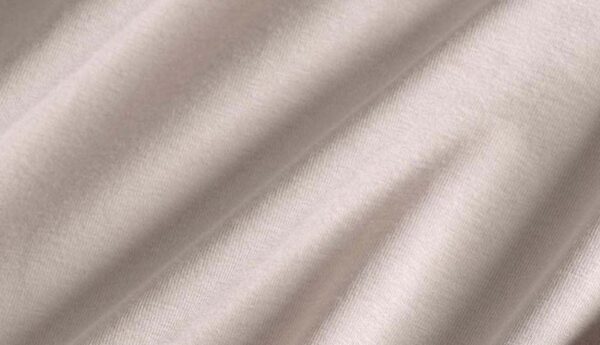
In the textile industry, cloth means the fabric used to make clothes. Fibres are twisted into threads, then woven or knitted into fabric, which is cut and stitched into garments.
Fibres can be natural, like cotton, or synthetic, like polyester. Each has different qualities—some are strong, others soft or stretchy. Blending fibres can combine these qualities.
The type of fibre used depends on the purpose. For example, a football shirt is best made from synthetic fabric that keeps sweat away, not from warm materials like wool.
What Is Fabric GSM?
GSM (Grams per Square Metre) is a way to measure the weight of fabric. Heavier GSM usually means thicker fabric, but it doesn’t always show exact thickness in millimetres because different fibres have different weights.
There’s no “standard” GSM for items, but GSM helps decide how a fabric should be used. Heavier fabrics cost more because they use more fibre and take longer to make.
GSM can also be shown in ounces (oz). For example, 6oz equals about 203gsm. Some fabrics, like denim, are still measured in ounces, but GSM is the modern standard.
In real life, t-shirts usually range from 160 to 220gsm. A 160gsm shirt is lighter and thinner, good for sportswear, while 220gsm is thicker, often used in fashion.
FRENCH-TERRY:
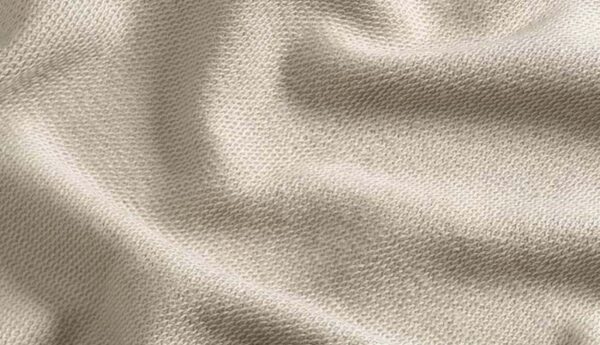
French terry is a soft fabric with loops on the inside, often made from 100% cotton. It’s used for luxury tracksuits, hoodies, and sweatshirts. Sometimes blended with elastane for added stretch, it’s popular in activewear. French terry typically ranges from 200 to 300 GSM.
COTTON-FLEECE:
Cotton fleece is a knitted fabric with a smooth front and a soft, brushed reverse side that creates a plush, napped feel. Known for its warmth and comfort, it’s commonly used in casual wear like hoodies, sweatshirts, and tracksuits. Cotton fleece typically ranges from 200 to 350 GSM, depending on the thickness.
JERSEY:
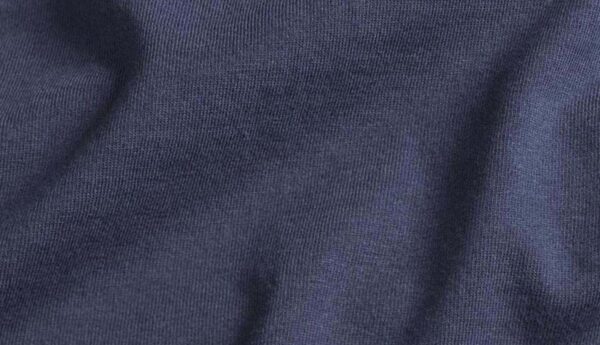
Cotton jersey is a soft, stretchy knitted fabric with a smooth surface on both sides. Originally made from wool on the island of Jersey, it's now mostly made from cotton or synthetic fibres. Known for its comfort and flexibility, it’s widely used for making t-shirts. Cotton jersey typically ranges from 120 to 220 GSM.
FLANNEL;
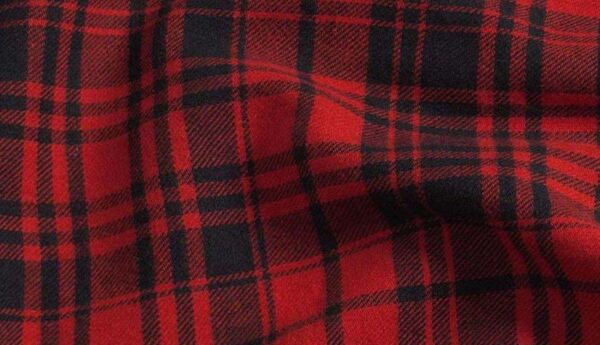
Flannel is a soft, woven fabric originally made from worsted wool, but now often made from wool, cotton, or synthetic fibres. Dating back to 16th-century Wales, early flannel was thick and warm. The surface is brushed to create a fuzzy appearance. Flannel typically ranges from 150 to 250 GSM.
POLYESTER:
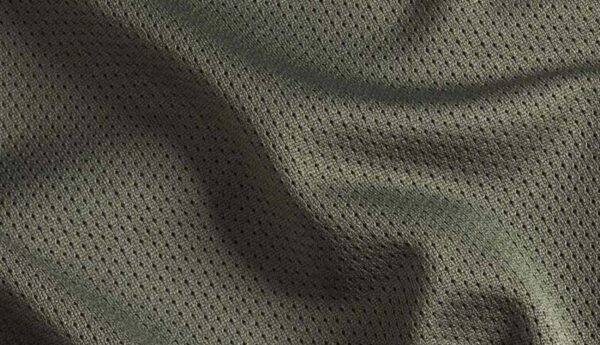
Polyester is a synthetic fabric made from chemical-based polymer yarns, mainly derived from petroleum. It became popular in the 1970s for being cheap, durable, and easy to care for. While versatile, polyester is not eco-friendly due to its fossil fuel origins. Polyester fabrics typically range from 60 to 300 GSM, depending on their use.
WOOL:
Wool is one of the oldest fibres used by humans, originally spun into yarn and woven into fabric. While most wool comes from sheep and goats, it can also be sourced from camels, llamas, and some rabbit breeds. Thanks to its natural crimp, wool is highly wrinkle-resistant and can stretch up to 20% without losing its shape. Wool fabrics typically range from 200 to 500 GSM, depending on the weave and thickness.
PIQUE:
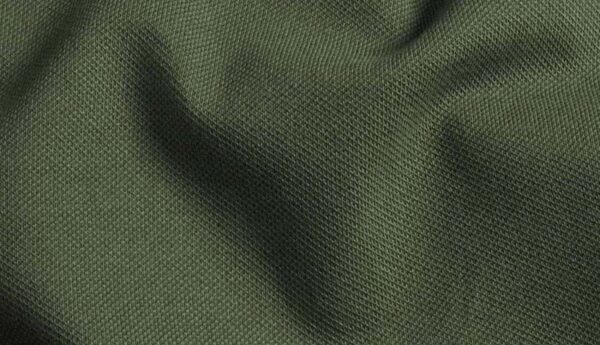
Pique is a fabric with raised parallel cords or ribbing, creating a textured surface. It's durable, breathable, and often used for polo shirts. The weave also helps hide perspiration. Pique is usually made from 100% cotton or cotton-elastane blends for added stretch.
SUPIMA COTTON:
Supima cotton is a premium brand of extra-long staple cotton, grown only in the USA and trademarked by the Supima Association. It offers superior softness, strength, and durability, with strict quality controls to ensure authenticity. Supima cotton fabrics usually range from 150 to 300 GSM, depending on the product.
LEATHER:
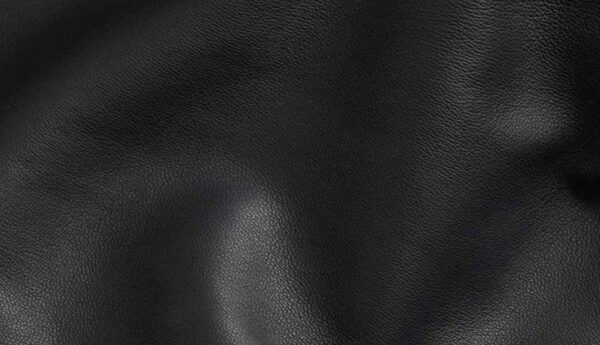
Leather is a durable, flexible material made by tanning animal hides. It’s considered one of the first fabrics, used by early humans for clothing and shelter. Today, leather is used in practical items like motorcycle gear and fashion pieces like jackets.
PIMA-COTTON:
Pima cotton is a high-quality, extra-long staple cotton known for its softness, strength, and durability. It makes up only about 3% of global cotton production, making it rare and more expensive. Named after the Pima tribe in the southwestern USA, it’s considered one of the finest cotton types. Pima cotton fabrics typically range from 150 to 300 GSM, depending on their use.
DENIM:
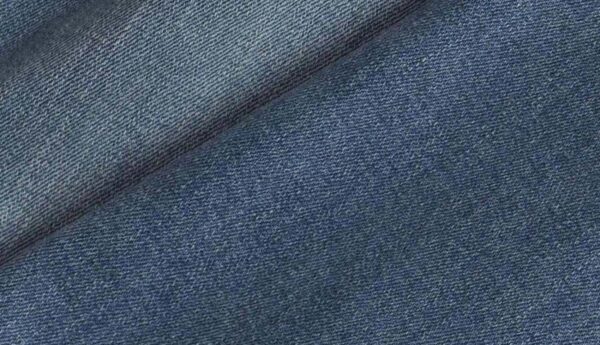
Denim is a durable twill fabric, originally popular for workwear. It’s usually blue, with indigo-dyed warp threads and white weft threads, giving it a unique blue color on one side. Typically made from 100% cotton, denim can also be blended with elastane for added stretch. Denim fabrics typically range from 300 to 600 GSM, depending on the weight and use.
TERRY:
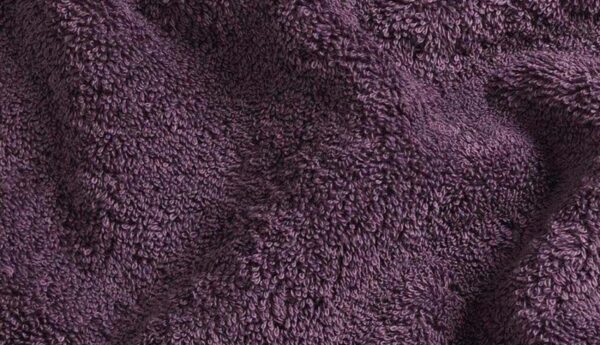
Terry cloth, also known as toweling terry, is a water-absorbent fabric mainly used in towels. It's usually made from 100% cotton but can be blended with polyester. Similar to French terry, it’s designed for maximum absorption. Terry cloth typically ranges from 300 to 600 GSM, with higher GSM being thicker and more absorbent.
CORDUROY:
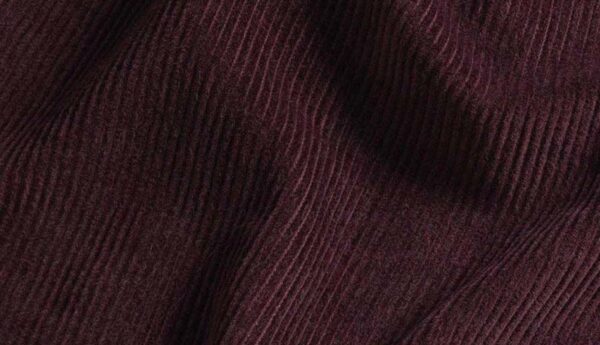
Corduroy is a fabric with a unique pattern of parallel ridges, called “wales,” made from twisted fibres. It became popular in France in the 1700s, originally woven from silk for royal servants. By the late 1800s, it was mass-produced from cotton and became popular with the working class in Europe. Corduroy fabrics usually range from 200 to 400 GSM, depending on thickness.
VELVET:
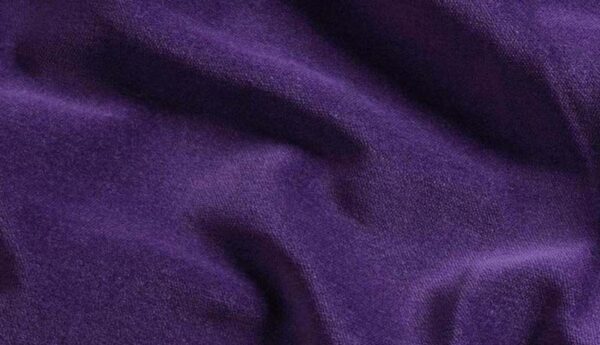
Velvet is a luxurious, soft fabric with a distinctive pile weave, dating back to the Middle Ages. The term 'velvet' refers to the weave, not the material, so it can be made from any fibre. While it was once made from silk and reserved for royalty, modern techniques have made it more affordable, and today, velvet is often woven from cotton. Velvet fabrics typically range from 200 to 400 GSM.
SUEDE:
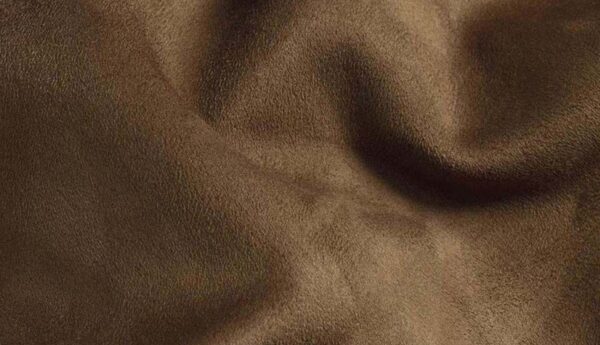
Suede is the soft, velvety inner surface of animal hides, found on the underside of leather. The term comes from the 1859 French phrase "gants de Suède," meaning "gloves of Sweden." Over time, it came to refer to any leather with a velvety, napped surface.
SATIN:
Satin is a smooth, glossy fabric created using a satin weave, where the warp threads are looped over the weft at specific intervals. Traditionally made from silk and reserved for royalty, satin is now available in more affordable synthetic versions like rayon and polyester. Satin typically has a shiny surface and a dull back, with fabrics ranging from 150 to 300 GSM.
TWILL:
Twill refers to a type of weave, not the material, and can be made from any fibre. It has a distinctive pattern of diagonal parallel ribs. The front side, called the technical face, is usually more durable and attractive, making it the visible side when the fabric is used in garments. Twill fabrics typically range from 200 to 500 GSM, depending on their use.
SLUB-WEAVE:
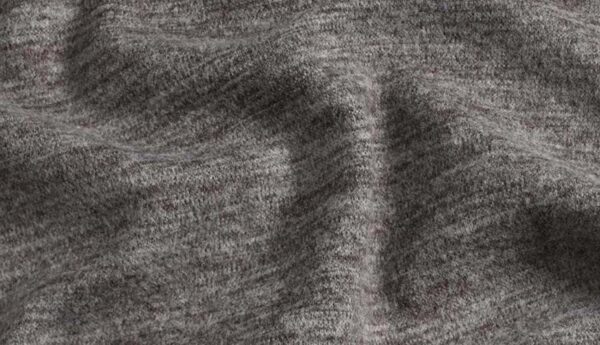
Slubbed fabric is made by intentionally weaving thicker sections or knots into the yarn, creating raised threads on the surface for a unique, textured look. Once considered a defect, slubs are now used in fashion to add character to garments. Slub fabric can be made from any fibre composition.
SPANDEX:
Spandex, also known as Lycra or Elastane, gets its name from the word "expands" due to its exceptional stretch. Made from a polymer called polyurethane, spandex is ideal for garments that prioritize comfort, like fitness wear. It can also be blended with other fibres, like cotton, to add stretch. Spandex fabrics typically range from 100 to 250 GSM, depending on their application.
FELT:
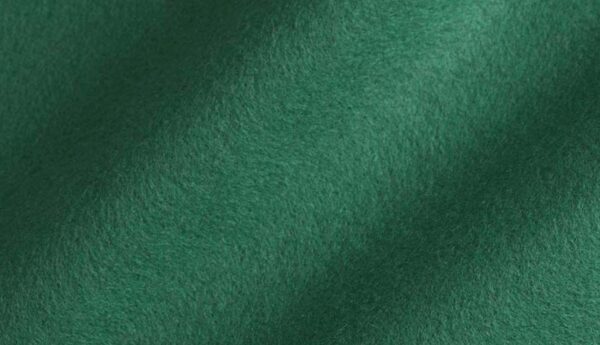
Felted fabric is made by pressing fibres together with heat, moisture, and pressure. Wool felt is the oldest known textile, but it can also be made from natural and synthetic fibres like acrylic. Felt is often used as a trim fabric and was popular for making gentlemen’s top hats in the 18th and 19th centuries. Felt fabrics typically range from 150 to 400 GSM, depending on thickness.
VISCOS/RAYON:
Viscose, also known as Rayon in the USA, is a man-made fibre created from chemically processed cellulose extracted from trees. Often seen as artificial silk, it falls between natural and synthetic fibres, as it's made from tree cellulose but not a naturally grown fabric. Viscose fabrics typically range from 150 to 300 GSM, depending on the weave and use.
TWEED:
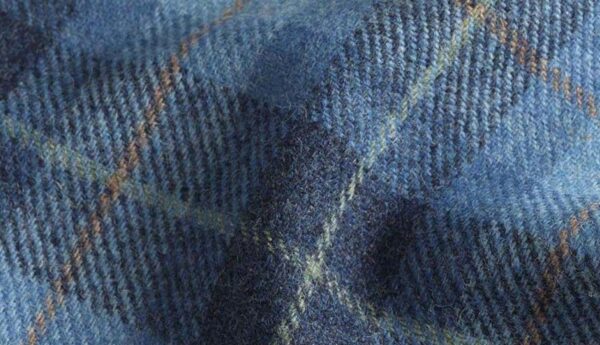
Tweed is a wool fabric with a soft, open weave, and the name comes from the Scots word "Tweel," meaning twill, a type of weave. Originally woven in the 1700s to help Scottish farmers withstand harsh winters, tweed didn’t have the colorful, intricate designs it’s known for today. Tweed fabrics typically range from 300 to 500 GSM, depending on thickness and use.
SILK:
Silk is one of the most luxurious fabrics, first discovered in China around 6000 BC by the wife of Emperor Xi Ling-Shi, who noticed threads attached to worms eating mulberry leaves. China has remained the leading producer of silk and played a key role in the creation of the Silk Road. Silk fabrics typically range from 100 to 200 GSM, depending on the weave and use.
NEOPRENE:
Neoprene is a synthetic rubber used in outdoor and marine gear, such as diving and wetsuits, due to its waterproof and insulating properties. It remains flexible across a wide temperature range. Neoprene is also used in fashion as a thinner alternative for trendy clothing.
SHERPA:
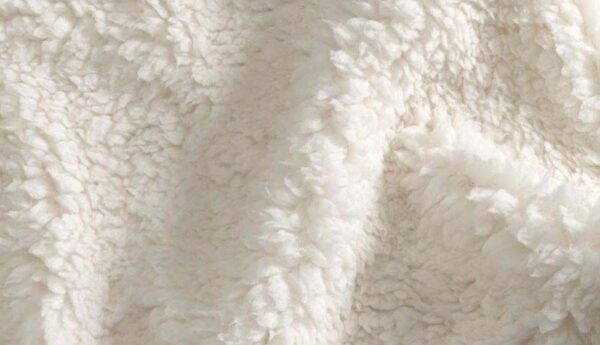
Sherpa is a soft, fluffy fabric made from cotton, polyester, or acrylic, often called ‘mock shearling’ because it looks like real sheep’s wool. Named after the Sherpa people of Nepal, it’s warm and insulating, mainly used in fashion as a lining or trim. Sherpa fabric usually ranges from 200 to 400 GSM, depending on thickness and use.
GINGHAM:
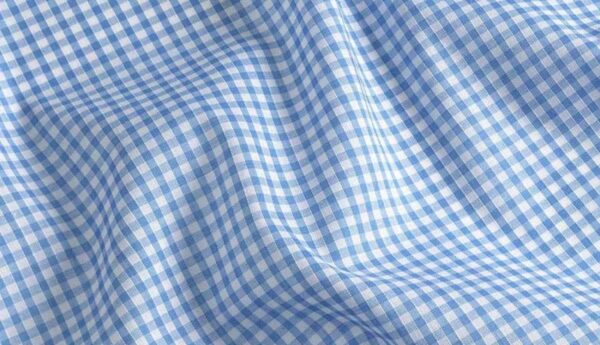
Gingham is a plain woven fabric, traditionally made from cotton yarn. The name comes from the Malayan word "genggang," meaning "striped." It was introduced to Europe in the 17th century and later to the USA, with local production beginning in the 18th century. Originally featuring regular colored stripes, it later became known for its classic check or plaid pattern, which is common today. Gingham fabrics typically range from 120 to 250 GSM, depending on the thickness and use.
NYLON:
Nylon is a synthetic polymer originally used as a substitute for silk during WW II, especially for parachutes, due to the scarcity of silk. It was also used for tents, ropes, and ponchos. Today, nylon is commonly used in the fashion industry, especially for bomber jackets.
POPLIN:
Poplin is a strong plain weave fabric made from fibres like wool, cotton, silk, rayon, or polyester. Originally made with a silk warp and wool weft, it became popular for military uniforms during World War II. Known for its strength, weight, and silky finish, poplin is commonly used in high-end shirts. Poplin fabrics typically range from 120 to 200 GSM, depending on the weight and use.
CHAMBRAY:
Chambray is often confused with denim, but it’s a plain weave fabric with colored yarn in the warp and white yarn in the weft, unlike denim’s twill weave. First woven in northern France in the mid-1500s, chambray is commonly used for shirts and handkerchiefs.
ORGANIC-COTTON:
Organic cotton is grown with minimal environmental impact, using non-GMO plants and avoiding synthetic chemicals like fertilizers and pesticides. While it’s more expensive than conventional cotton, it benefits the environment by preserving clean air, water, and soil, and reducing toxic chemicals in local water systems.
OXFORD:
Oxford is a woven dress shirt fabric with interlinking warp and weft threads, often featuring colored threads in one direction and white in the other, creating a two-tone texture. It has a more casual look and is commonly used for button-down collared shirts. Oxford fabrics typically range from 120 to 200 GSM.
CALICO:
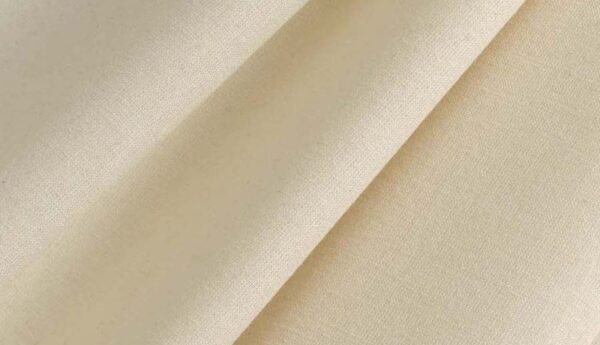
Calico is a plain-woven, unbleached cotton fabric with a coarse feel. It originated in India and arrived in England in 1630. Inexpensive and often used for prototype patterns or samples, calico allows designers to create without using expensive fabrics. It typically ranges from 100 to 180 GSM.
CHIFFON:
Chiffon is a light, transparent fabric originally made from silk, but now often made from nylon. It’s commonly used in luxury garments like evening wear and lingerie. Chiffon is known for its semi-mesh weave, giving it a light, translucent look, though it has a slightly rough hand feel. It typically ranges from 30 to 100 GSM.
LINEN:
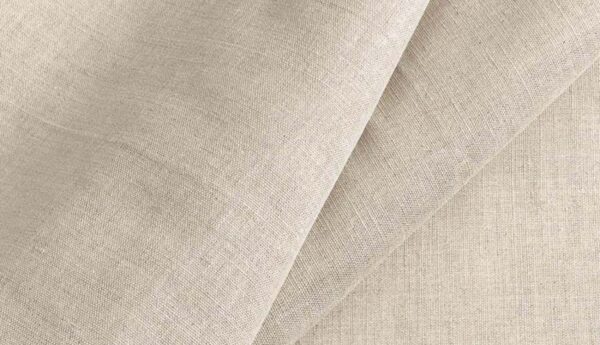
Linen is a natural fibre made from the flax plant, with the finest linen coming from Europe, particularly Belgium. It’s heavier and about 30% stronger than cotton. Known for its breathability, linen is popular in hot climates. Linen fabrics typically range from 150 to 300 GSM.
FAUX-FUR:
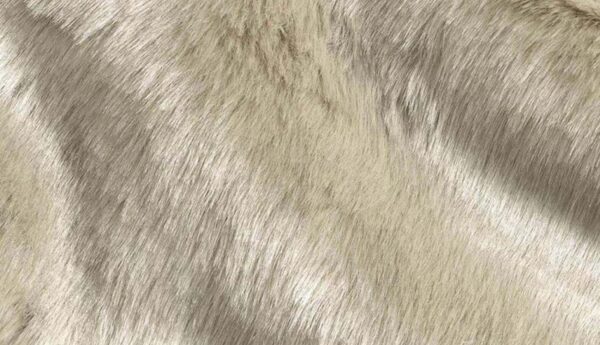
Faux fur, also known as fake fur, is designed to mimic the look and warmth of animal fur. First introduced in 1929 using alpaca hair, today it’s made from polymeric fibres that are processed, dyed, and cut to resemble real fur. Faux fur is commonly used in fashion applications. Faux fur fabrics typically range from 200 to 500 GSM, depending on thickness and texture.